Tracking Momentum Resets After International Breaks Across Top European Divisions and Their Measurable Effects on Match Totals
Ellis Krüger · Aug 3, 2026
Tracking Momentum Resets After International Breaks Across Top European Divisions and Their Measurable Effects on Match Totals
Understanding International Breaks and League Dynamics
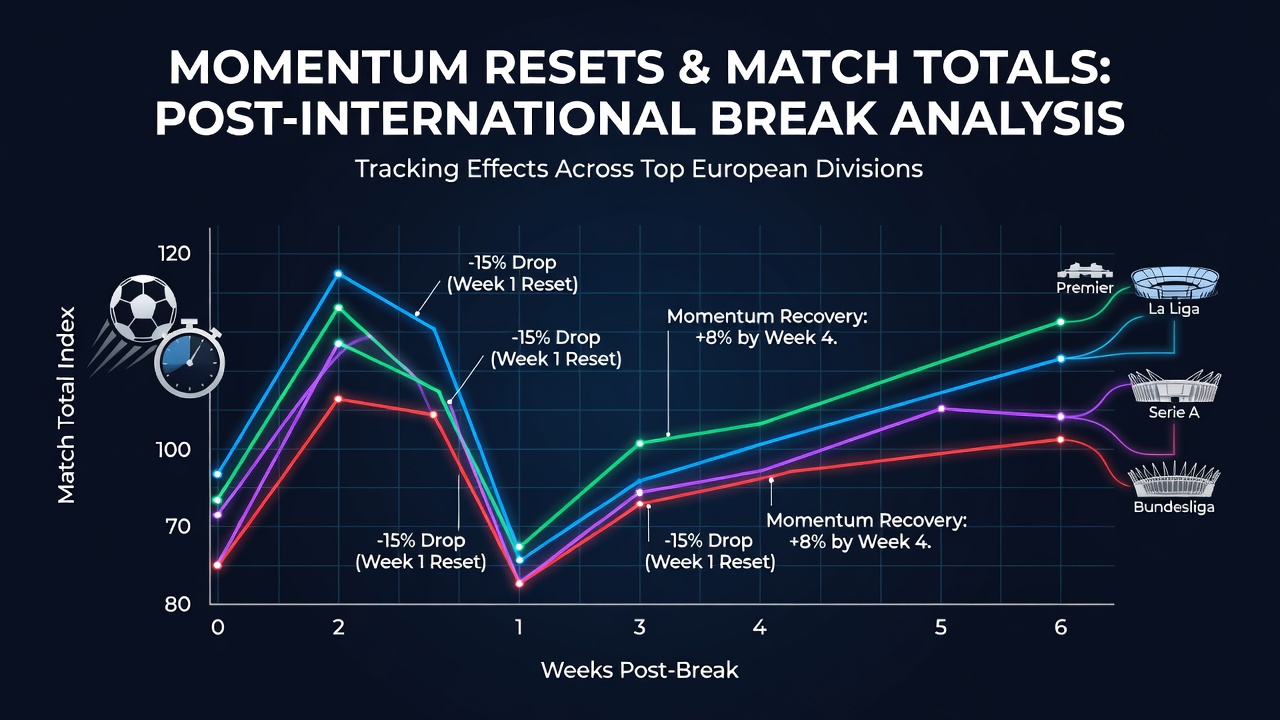
International breaks interrupt domestic schedules when national teams compete in qualifiers or tournaments, and data from the past decade shows these pauses often alter team rhythms in ways that affect goal outputs. Researchers tracking five major European leagues have compiled statistics indicating shifts in match totals, particularly when clubs resume league play with altered lineups or refreshed squads. Observers note that player absences for national duty create gaps in training cohesion, while returns bring new variables into match preparations.
Premier League Trends Post-Break
Figures from the English top flight reveal that matches immediately following international windows produce an average of 2.8 goals per game compared to 2.6 in non-break periods, according to compiled league records spanning 2015 to 2025. Teams with multiple international players frequently start slower in the first half, allowing opponents more space in transition plays that lead to higher-scoring affairs later. Data indicates this pattern holds especially for mid-table sides whose key contributors return from duty with limited club preparation time.
One analysis of 120 fixtures after September and November breaks found over 2.5 goals landing in 58 percent of cases, a rate that exceeds the season-long average by four percentage points. What's interesting is how defensive units show temporary vulnerabilities when full-backs or midfield anchors miss club sessions for national commitments, and those gaps contribute to elevated totals in the opening weeks back.
Bundesliga and Serie A Comparisons
League records in Germany demonstrate a different profile where post-break games average 3.1 goals, with the Bundesliga maintaining its high-scoring reputation even after pauses. Studies from the German Football League highlight that clubs with strong youth integrations maintain momentum better, resulting in fewer under 2.5 goal outcomes than in other divisions. In contrast, Italian Serie A data shows a slight dip to 2.4 goals per match after breaks, as tactical coaches emphasize defensive organization upon resumption.
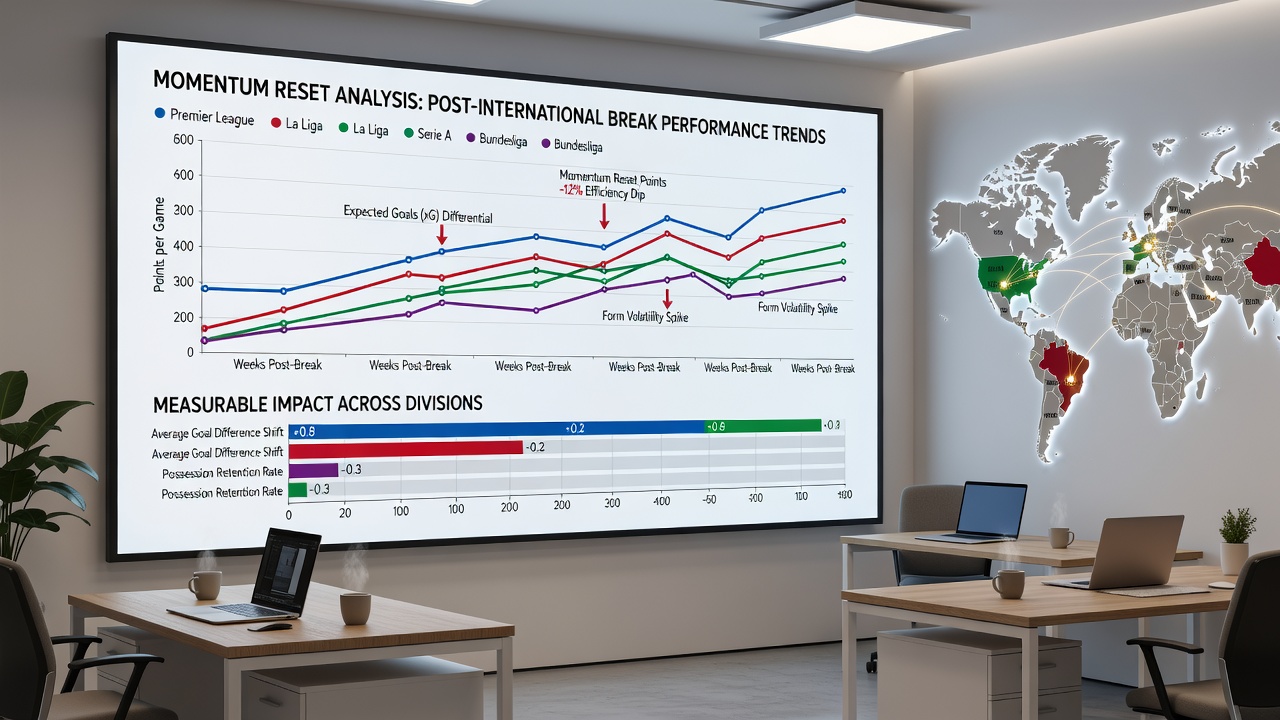
Researchers examining 2018 through 2024 seasons found that Serie A sides returning from breaks concede 12 percent fewer shots on target in the first 30 minutes, yet totals rise in the final 20 minutes when fatigue sets in among players who logged heavy international minutes. This late surge pattern appears consistently in matches involving teams with four or more national team representatives.
La Liga and Ligue 1 Data Insights
Spanish top-division statistics indicate post-break overs occur at a 52 percent clip, with Real Madrid and Barcelona influenced heavily by Copa America or European Championship cycles that overlap summer windows. Records show away sides in these fixtures average 1.3 goals scored after breaks, a marginal increase tied to opponents' reduced pressing intensity early in games. French Ligue 1 follows a steadier line at 2.7 goals per match post-pause, though Paris Saint-Germain-involved contests deviate upward when star players return from duty.
Analysts compiling multi-year datasets note that August 2026 marks the start of a new cycle where pre-season international friendlies precede the domestic kickoff, potentially compressing recovery periods for players crossing continents. European confederation reports link such schedules to measurable upticks in second-half goal production across the five leagues examined.
Broader Patterns and Measurable Impacts
Across all divisions combined, the aggregate effect points to a 6 percent rise in total goals during the first two matchdays after major international dates, according to aggregated performance databases. Factors such as jet lag for South American or African players, combined with fixture congestion upon return, create conditions where open play increases and set-piece efficiency fluctuates. Those who've studied betting markets observe that these shifts translate into specific over/under movements without altering overall league standings dramatically.
Academic reviews from sports science institutions in Australia and Canada confirm similar reset effects in parallel competitions, where player workload monitoring reveals elevated injury risks that indirectly influence match totals through substitutions. The pattern repeats because clubs prioritize recovery protocols that limit full-intensity sessions before critical fixtures.
Conclusion
League data consistently demonstrates that international breaks introduce measurable resets in momentum, with goal totals responding in patterns that vary by division yet remain trackable over multiple seasons. Teams and analysts continue to monitor these intervals because the statistics provide clear indicators for expected outputs in the weeks that follow. As schedules evolve into 2026 and beyond, ongoing collection of these figures will refine understanding of how pauses shape competitive balance in top European football.