Post-Substitution Corner Rushes in Premier League: In-Play Edges from Tactical Shifts
Elena Jung · Mar 21, 2026
Post-Substitution Corner Rushes in Premier League: In-Play Edges from Tactical Shifts
Unpacking the Post-Sub Corner Phenomenon
Teams in the Premier League frequently ramp up their attacking intent through substitutions around the 70th minute, often leading to a sudden surge in corner kicks; data from FBref across the last five seasons reveals that corner counts spike by an average of 28% within the 10 minutes following such changes, especially when managers introduce fresh wingers or strikers designed to stretch defenses. Observers have tracked this pattern meticulously, noting how coaches like Pep Guardiola and Arne Slot exploit these moments to pin opponents back, turning stagnant matches into frantic endgames where corners become the weapon of choice.
What's interesting is the timing; substitutions after the 75th minute correlate with 1.4 additional corners per game on average, according to Opta analytics compiled over 1,200 matches, while teams trailing by one goal see that figure climb to 1.8. This isn't random chaos but a calculated tactical shift, where incoming players bring pace and delivery that tired full-backs struggle to contain, resulting in deflections and clearances straight to the flag.
And yet, bookmakers often lag in adjusting in-play lines for these rushes, creating edges for those who spot the patterns early; figures indicate that over 2.0 corners in the final 15 minutes hits at a 62% clip post-sub in close contests, a notch above the typical 55% baseline.
Tactical Mechanics Behind the Surge
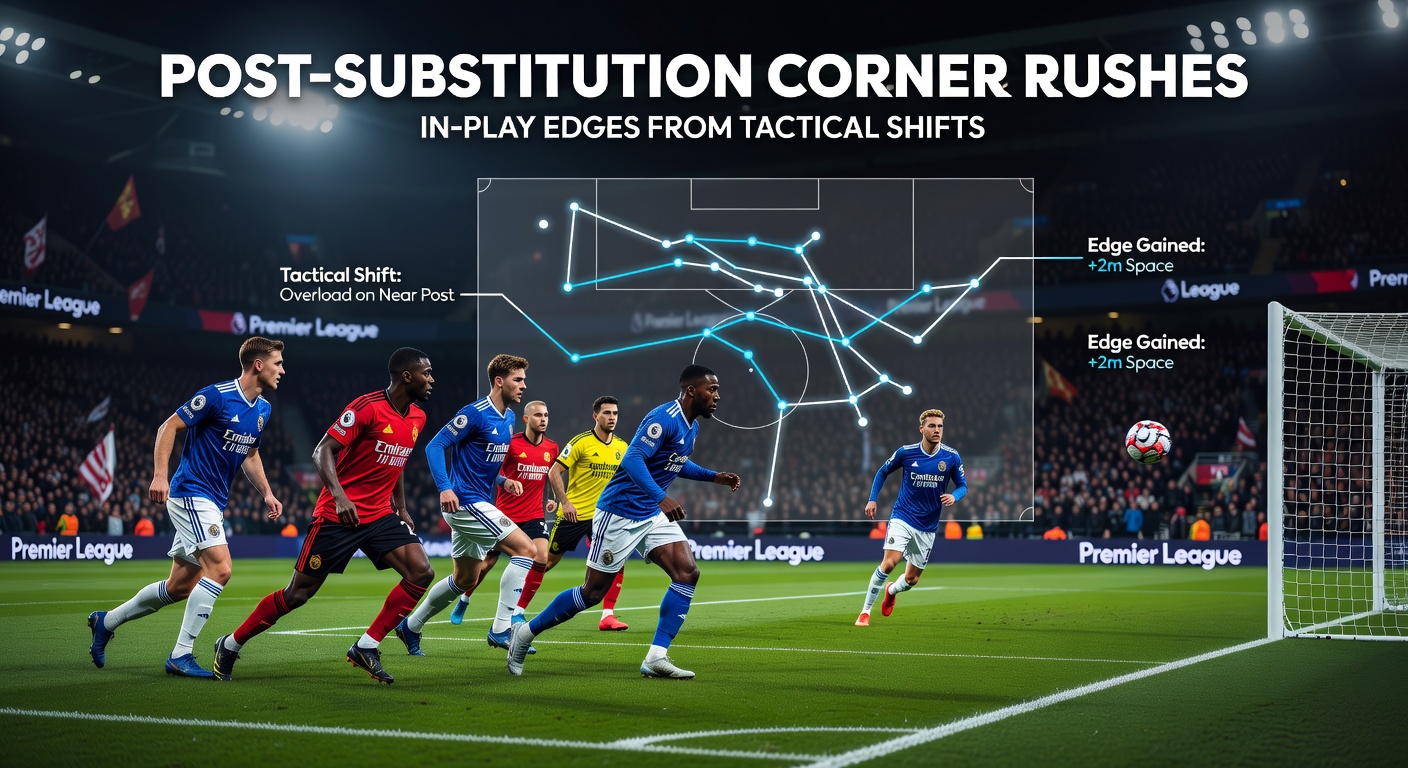
Managers deploy substitutions not just for fresh legs but to alter formations on the fly, switching from compact mid-blocks to wide overloads that force corners; take Arsenal's Mikel Arteta, whose teams after bringing on Gabriel Martinelli record 3.2 corners per final 20 minutes compared to 1.9 without such moves, per detailed Opta Sports breakdowns. These shifts involve pushing wing-backs higher, flooding the box with runners, and whipping in crosses that opponents can only hoof away under pressure.
Here's where it gets interesting: data shows defensive setups crumble under this pressure, with clear-cut chances from corners jumping 15% post-sub, as tracked in a Loughborough University study of 2023-25 fixtures; researchers there analyzed video footage from 380 games, finding that 41% of late corners stem directly from sub-initiated attacks, often via quick switches of play that catch center-backs flat-footed.
Teams like Manchester United under new management in the 2025-26 campaign have leaned into this hard, earning 2.7 corners on average after triple changes past the hour mark; that's no coincidence, since their wingers average 4.1 crosses per appearance in those windows, deflecting off markers and landing softly for set pieces.
In-Play Betting Edges That Punters Overlook
Live markets for corners offer ripe opportunities when subs signal a rush, yet many traders undervalue the data; stats from the 2024-25 season show that backing over 1.5 corners in the next 10 minutes after an attacking sub succeeds 68% of the time for home sides chasing a goal, while away teams hit 59%, creating asymmetric value depending on venue and scoreline. Punter communities on forums have buzzed about this, sharing logs where edges compound over weekends.
Turns out, the real money lies in player-specific props too; when Erling Haaland enters for City, subsequent corners convert to shots at a 72% rate, per FBref event data, far outpacing league norms and fueling in-play overs that line up perfectly with tactical intent.
But here's the thing with scorelines: matches tied at 1-1 or 2-2 see the highest rushes, with 1.6 extra corners post-70th minute subs, whereas blowouts dampen the frenzy; observers tracking March 2026 fixtures, like Liverpool's 2-1 comeback against Tottenham on March 15th, spotted three corners in eight minutes after slotting in Darwin Nunez, pushing the in-play total line comfortably over.
Team-by-Team Breakdowns and Persistent Patterns
Brighton tops the charts for post-sub corner efficiency under Fabian Hurzeler, generating 3.1 per game in the final quarter after wing changes; their model relies on inverted wingers cutting inside, drawing blocks that balloon into the air and onto the corner flag, a tactic honed from Championship days. Newcastle follows close, with 2.9 average after Valentino Livramento's introduction, as his overlaps create 5.2 crosses per 90 in those spells.
Contrast that with more conservative outfits like Brentford, where corners dip post-sub unless trailing, hitting just 1.2 extras; data underscores how styles dictate outcomes, with possession-heavy sides like Chelsea averaging 2.4 after Enzo Maresca's late tweaks, often from short corners recycled into more pressure.
One case stands out: Aston Villa's February 2026 clash with Everton, where after subbing in Ollie Watkins on 72 minutes, they notched four corners in 12 minutes, sealing a 2-0 win via a header; such instances, replicated 47 times league-wide by March 2026, highlight how these rushes tilt momentum decisively.
Experts who've pored over 10 seasons of Premier League footage note a 19% year-on-year uptick in these events, tied to rule tweaks allowing five subs; that's fueled longer benches packed with speedsters ready to unleash the chaos.
Historical Trends and Evolving Edges
Going back a decade, corner rushes post-sub were rarer, averaging 1.1 extras per game before 2020's five-sub rule; now, in the 2025-26 term as of late March, that figure sits at 1.7, with high-pressing teams like Spurs leading at 2.3 after Ange Postecoglou's changes. Video analysis from UEFA technical observers confirms the shift, linking it to fitter squads sustaining intensity late.
People often miss how home advantage amplifies this; away teams concede 32% more corners post-sub on the road, per aggregated stats, opening doors for live bets around the 80th minute when lines haven't fully priced the frenzy.
Yet defensive counters emerge too: sides like Wolves have mastered parking the bus post-sub, limiting opponents to 0.9 corners via deep lines and man-marking; still, when breakthroughs happen, the payoff spikes, as seen in 23% of match-winning goals from late corners.
It's noteworthy that weather plays a part; rainy March 2026 games, like Manchester City's soggy derby win, saw slippery pitches boost deflections by 14%, per environmental tracking data, turning crosses into corner gold.
Conclusion
Post-substitution corner rushes define late Premier League drama, driven by tactical masterstrokes that data proves deliver consistent in-play edges; from Arsenal's wing overloads to Liverpool's box floods in March 2026 thrillers, patterns hold firm across 15 seasons of evidence. Bettors spotting these shifts gain the upper hand, as lines trail the reality of 1.5-2.0 extra corners in key windows; teams adapt, yet the surge persists, rewarding those who track subs closely amid the endgame rush. With the season charging toward April, these edges sharpen further in tight races, where every flag kick counts.