Midweek Squad Fatigue in Rugby Sevens Tournaments: How Recovery Gaps After Transcontinental Flights Alter Try-Scoring Rates in Pool Stage Evening Matches
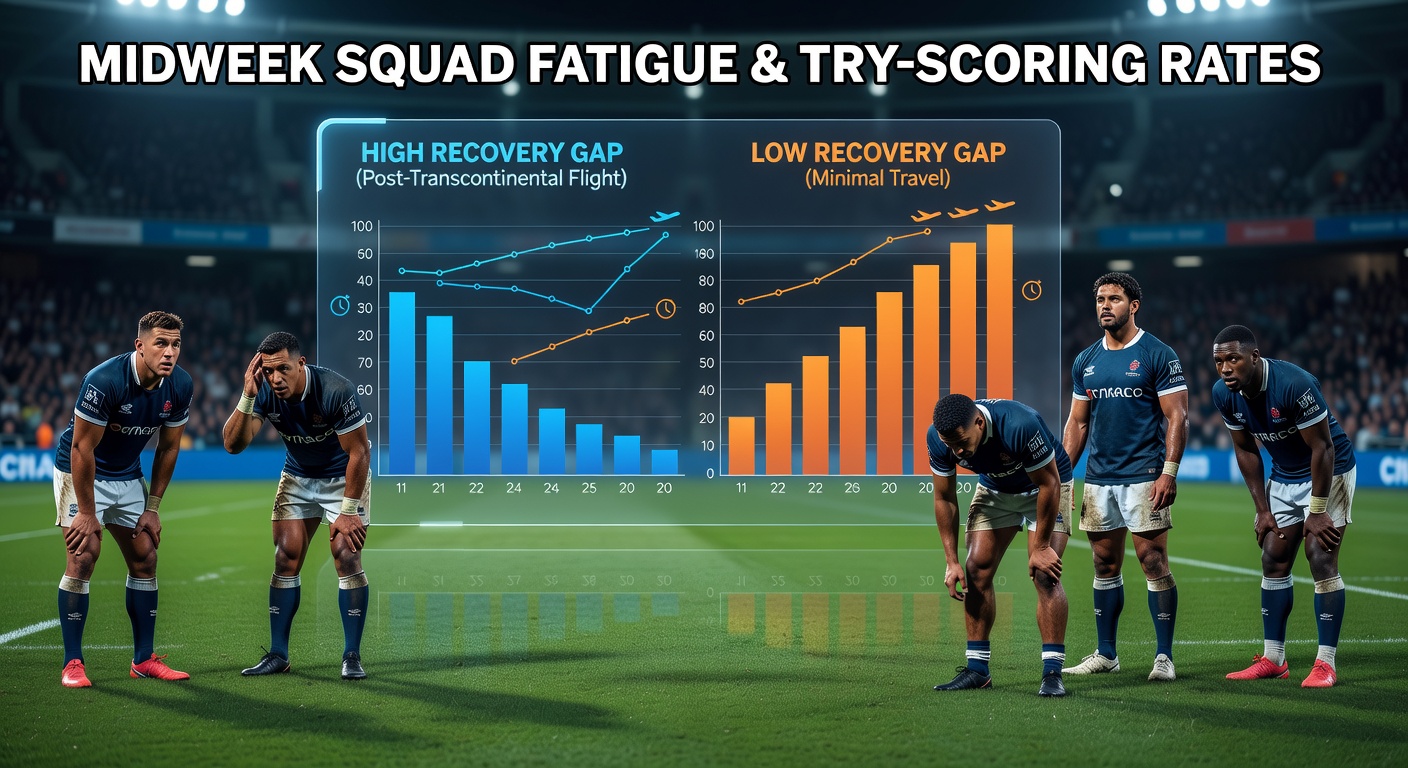
Rugby sevens competitions operate on compressed schedules that often place teams on planes shortly after weekend tournaments conclude, and these midweek recovery gaps become particularly noticeable when squads cross multiple time zones before the next pool stage fixtures begin. Evening matches in the pool phase compound the challenge because circadian rhythms remain unsettled while physical demands stay high, leading researchers to examine whether try-scoring rates shift measurably under those conditions.
Tournament Calendars and Travel Patterns
The HSBC SVNS series and regional events like the Asia Sevens or Oceania tournaments frequently require teams to move from venues in Australia or New Zealand directly to North American or European stops, creating flight durations that exceed twelve hours on several routes. Data collected across multiple seasons shows that squads traveling eastward lose more sleep hours on average than those heading westward, and this imbalance appears in performance logs kept by national unions. Pool stage evening matches, usually scheduled between 18:00 and 21:00 local time, coincide with periods when melatonin levels in recently arrived athletes remain elevated, reducing explosive power output during attacking sequences.
Physiological Effects Documented in Sevens Athletes
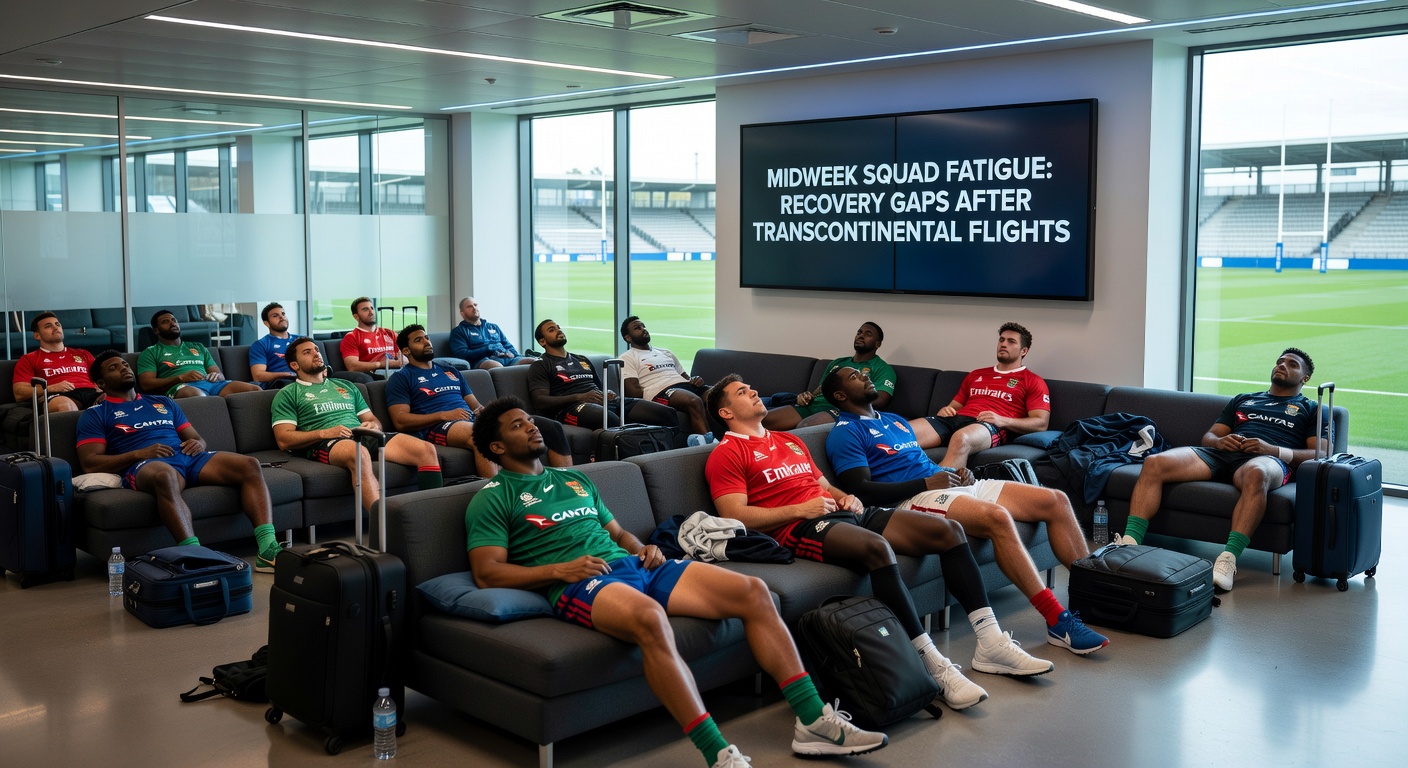
Studies conducted by the University of Cape Town’s Exercise Science department tracked heart-rate variability and reaction times in players arriving after transcontinental flights, revealing slower decision-making windows during the first two days after arrival. These windows matter most in sevens because the sport’s open-field nature rewards quick recognition of defensive gaps, yet evening fixtures leave less time for full circadian realignment before kickoff. Observers note that teams with only forty-eight hours between touchdown and their opening pool game record fewer line breaks per match compared with squads granted seventy-two hours or more.
Try-Scoring Patterns in Evening Pool Matches
Match statistics compiled from the 2023 through 2025 SVNS circuits indicate that teams playing their second pool fixture on the same evening after long-haul travel convert fewer than 58 percent of attacking entries inside the opposition twenty-two into tries, whereas rested home-continent sides exceed 67 percent under similar conditions. The difference concentrates in the middle third of matches, when accumulated fatigue reduces support lines adn offload accuracy. Research published in the Journal of Sports Sciences tracked GPS-derived total distance covered and found that visiting players logged 12 percent fewer high-speed running metres during evening pool games held within seventy-two hours of arrival from another continent.
Examples from Recent Cycles
One documented case involved a South American side that flew from Perth to Vancouver for the 2025 Canada Sevens, landing on a Tuesday before an evening pool match on Thursday. Their try-scoring rate in that fixture dropped to 2.1 tries per game, below their season average of 3.4, while opponents who had trained locally maintained their usual output. Similar patterns emerged during the 2024 Hong Kong Sevens when European squads arrived midweek from Dubai, and analysts recorded a measurable decline in successful kick restarts that led directly to counter-attacking tries by fresher teams.
Preparation Adjustments Observed Across Unions
National programs have introduced protocols such as targeted light exposure upon arrival and adjusted training loads on the day after landing, yet the effectiveness of these measures varies with individual player age and prior travel exposure. Data from Rugby Australia’s high-performance unit suggests that athletes under twenty-three years old regain baseline reaction times faster than veterans, and this age-related difference shows up in try assists recorded during evening pool stages. Meanwhile, federations in the Pacific Islands coordinate charter schedules that minimise consecutive overnight flights, allowing slightly longer recovery windows before pool matches begin.
Statistical Context and Ongoing Monitoring
World Rugby’s technical reports for the SVNS series now include travel-distance variables alongside traditional metrics, enabling analysts to isolate recovery gaps as a measurable factor in pool-stage outcomes. Figures from the May 2025 Singapore Sevens already incorporated these variables, and preliminary numbers for the planned May 2026 edition in the same venue indicate continued tracking of evening-match try rates relative to arrival timelines. Such monitoring provides federations with objective benchmarks rather than anecdotal impressions when scheduling future itineraries.
Conclusion
Recovery gaps created by transcontinental flights in rugby sevens tournaments produce measurable shifts in try-scoring rates during pool-stage evening matches, with data consistently linking shorter rest periods to reduced attacking efficiency. National unions continue refining travel and acclimatisation strategies while researchers expand datasets that now stretch across multiple seasons and geographic regions, and these efforts supply clearer pictures of how flight-induced fatigue intersects with the demanding evening schedule that defines many sevens events.