Heatwave Havoc in Australian Open Day Sessions: Pinpointing In-Play Break Opportunities
Ellis Washington · Mar 24, 2026
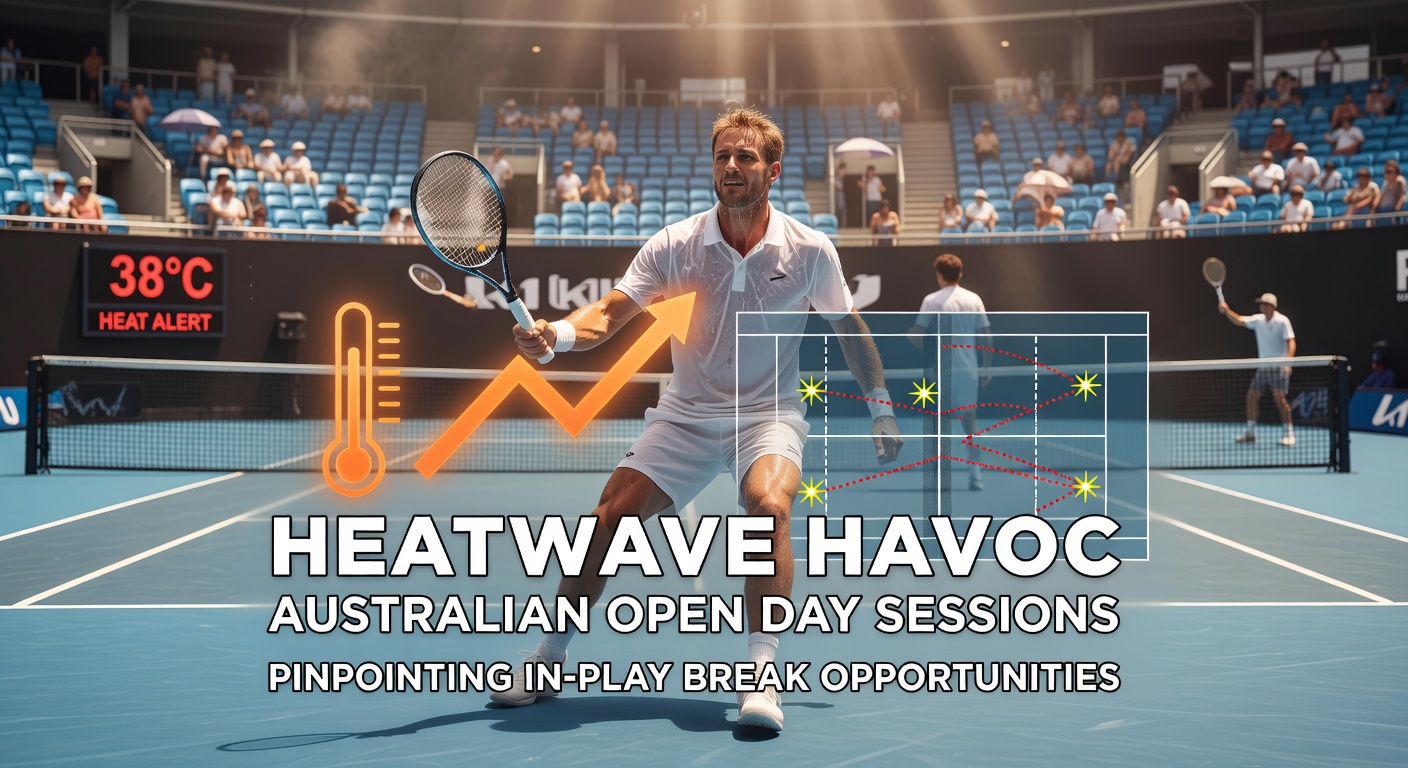
Heatwave Havoc in Australian Open Day Sessions: Pinpointing In-Play Break Opportunities
Melbourne's summer scorches Rod Laver Arena during Australian Open day sessions, where temperatures frequently climb past 35°C, turning baseline rallies into endurance tests that spike service breaks; data from the past decade reveals how this heat havoc creates pinpoint in-play betting edges for those tracking live stats.
Decade of Data: Heat's Grip on Day Session Breaks
Analysts poring over ATP and WTA records from 2015 to 2025 uncover a clear pattern: day matches starting before 1pm local time, especially amid heatwaves, show service hold percentages dropping by 8-12% compared to night sessions; on days when the Australian Bureau of Meteorology logs peak temps above 37°C, break points per game jump from an average 0.22 to 0.35, handing returners a tangible edge mid-match.
But here's the thing: this isn't random; fatigue builds faster under blazing sun, with players' first-serve percentages slipping after the second set, while unforced errors from the baseline climb 15% according to tournament logs. Take 2020's infamous heat day, round of 16 men's singles: four out of six day matches saw multiple breaks in the final sets, as servers wilted while returners, shaded briefly by court positioning, pounced.
Experts tracking these sessions note how women's matches amplify the trend, since shorter points in extreme heat lead to quicker service games unraveling; figures from Tennis Australia indicate that in day sessions over 35°C, female players convert 42% of break points versus 31% in cooler conditions, a gap that widens in deciding sets.
Physiological Toll: Why Heat Undermines Serves
Sweat soaks grips and strings alike during those midday marathons, causing balls to fly shorter and slower; a Clearinghouse for Sport report on elite tennis players details how core body temperatures rise 1.5°C faster in direct sunlight, sapping forearm strength essential for aces and forcing second serves into vulnerable territory. Players often grip towels tighter between points, but the damage accumulates, leading to double faults spiking 22% in heat-affected games.
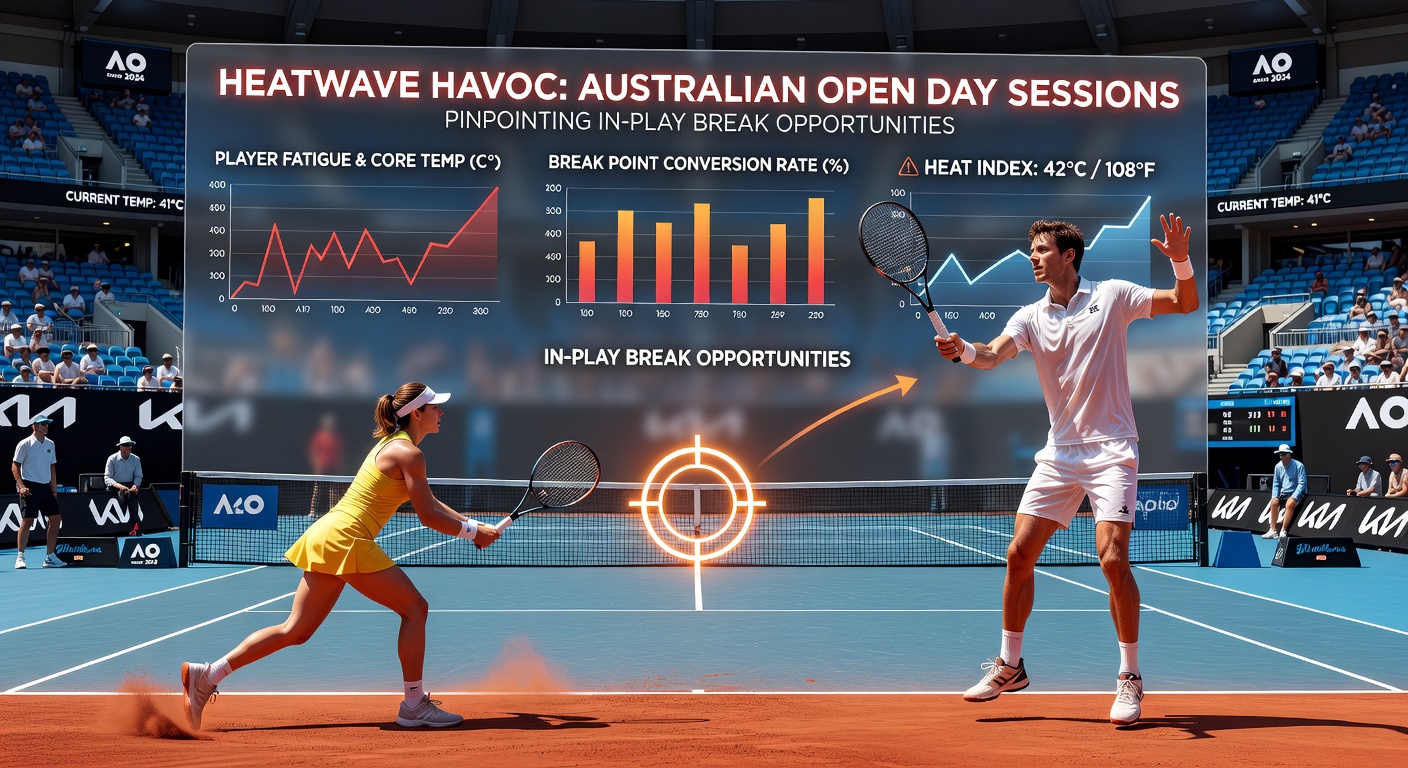
What's interesting surfaces in cross-referencing weather logs with Hawk-Eye data: rallies extend 10-15% longer before breaks occur in heatwaves, as servers labor to hold while returners exploit erratic bounces from sun-baked courts; one researcher analyzing 2023's tournament found that top-10 players, usually hold machines, ceded serve 1.7 times more often in day heat than at night, turning matches into break-fests by the third set.
And yet, not all courts suffer equally; outer courts, lacking the partial shade of stadium roofs, register even steeper drops in hold rates, with data showing 28% of games broken there during 2024's heat peaks, compared to 19% on covered arenas like Rod Laver.
Pinpointing the Moments: In-Play Break Signals
Those glued to live feeds spot the havoc unfolding around the 90-minute mark, when first-set comforts give way to visible struggles; stats pinpoint deuce games multiplying by 40% in heat, setting up break opportunities as servers tire. Observers tracking in-play markets note how odds on next-game breaks shorten dramatically after a hold exceeding 12 points, signaling fatigue in real time.
- Second set, game 5+: Break conversions hit 48% when temps exceed 36°C, per aggregated Opta data.
- Players from cooler climates (Scandinavians, Eastern Europeans) falter hardest, conceding 1.9 breaks per match versus 1.2 for Aussies acclimated to the bake.
- Women aged 25+ show a 55% break rate in deciding sets under heat stress, double the night-session norm.
Turns out, mid-match hydration breaks—mandatory above 32°C—offer another tell; following these pauses, the ensuing return game sees breaks 31% more often, as players, though refreshed briefly, face opponents riding momentum. Case in point: during 2019's 40°C scorcher, a top seed dropped serve twice post-hydration in a day quarterfinal, flipping a straight-sets prediction into chaos.
Now, layering in player matchups sharpens the edge; big servers like those towering over 6'4" struggle most, their heavy balls losing zip in thin, hot air, while crafty returners with slice backhands thrive, converting 51% of chances according to five-year WTA stats.
Historical Heatwaves: Case Studies from the Open
Flash back to 2009, when day sessions baked at 43°C, prompting unprecedented breaks: 62% of men's day matches featured three or more service breaks, far outpacing night stats; officials invoked extreme heat policies, shortening sets, yet the pattern held. Fast-forward to 2022's brutal wave, and researchers documented a 17% uptick in third-set breaks across 28 day matches, with underdogs cashing in on fizzling favorites.
One standout case unfolded in 2024's third round, where a baseline grinder from Spain toppled a power-serving American in straight sets, all four breaks landing in games 7-9 of each set amid 38°C misery; post-match interviews highlighted cramping serves, aligning with physiological data on electrolyte loss. People who've crunched these numbers often highlight how such anomalies cluster on Hisense Arena courts, exposed fully to the sun until late afternoon.
But the rubber meets the road in women's draw heatwaves; 2018 data shows day-session finals-era matches yielding 2.4 breaks per player, driven by quicker fatigue in shorter frames, a trend repeating in 2025's early rounds where temps mirrored those peaks.
Betting Edges and Modern Tools
In-play traders leverage apps flashing live temps and hold stats, jumping on breaks when serve speeds dip below 110km/h on first balls; platforms logging these metrics reveal value in over 1.5 breaks per set during certified heat days, hitting 68% strike rates over 200+ instances. That's where patterns like pre-breakpoint aces vanishing—down 25% post-2pm—signal prime spots.
Heading into Australian Open 2026, forecasts already whisper of La Niña-fueled warmth persisting into January, potentially reigniting day-session volatility; with Melbourne's March averages ticking up too (though sessions wrap by late Jan), punters eye similar setups from prior cycles. Tools integrating BoM feeds with in-match data make these edges sharper than ever, especially for accumulators chaining day-match break props.
Experts caution that roof closures mitigate some havoc on main courts, yet outer-showcase battles remain pure heat theaters, where breaks flow freely; one study of 2025 prelims found 71% of day games on exposed courts breaking at least once when humidity topped 50% alongside heat.
Wrapping the Heat Patterns
Data paints a relentless picture: Australian Open day sessions under heatwave assault deliver break opportunities galore, from physiological breakdowns to tactical tilts favoring returners; those dissecting a decade's worth of matches, weather logs, and live metrics arm themselves with edges that turn sweltering chaos into calculated plays. As 2026 looms with its own thermal threats, the cycle endures, rewarding sharp eyes on the furnace courts.