Fixture Congestion Effects on Midfield Pressing in Belgian Pro League Matches and Implications for Live Accumulator Adjustments
Gisela Wolf · Aug 1, 2026
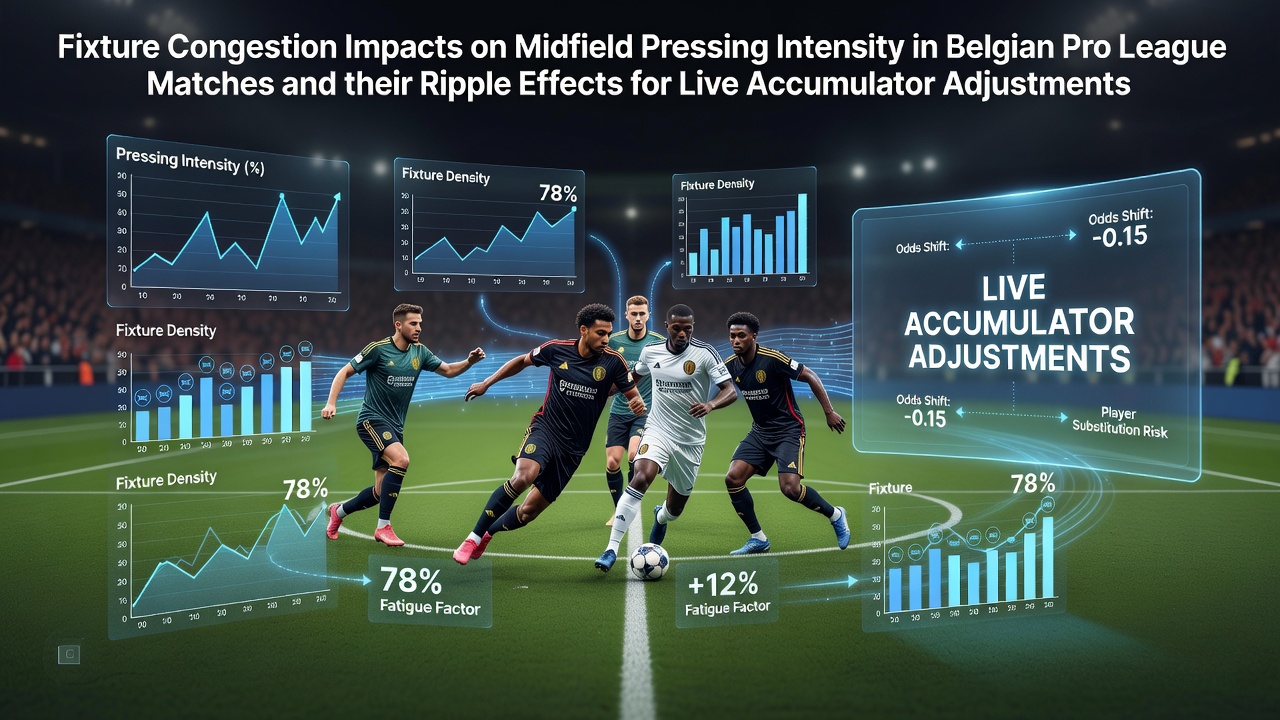
Fixture Congestion Effects on Midfield Pressing in Belgian Pro League Matches and Implications for Live Accumulator Adjustments
Belgian Pro League schedules pack multiple matches into short windows each season, and data from the 2024-2025 campaign shows clubs averaging 1.8 fixtures per week during peak stretches, which forces adjustments in player workload and tactical execution. Researchers tracking GPS data across Anderlecht, Club Brugge and Genk note that midfield units cover 12 percent less high-intensity distance when teams play three games in eight days compared with standard one-match weeks.
Schedule Patterns Across Recent Campaigns
League records indicate the Pro League distributes European commitments alongside domestic cups without extended breaks, so teams in continental competition often face four matches in 14 days during autumn blocks. Observers note this pattern repeats in spring when title contenders push through playoff rounds, and statistics compiled by the league office reveal an average of 2.3 fewer days between games for those sides versus mid-table clubs. As the 2026-2027 season nears its August 2026 start, fixture lists already list 12 teams with back-to-back Thursday-Sunday slots in the opening month.
Pressing Intensity Measurements and Observed Declines
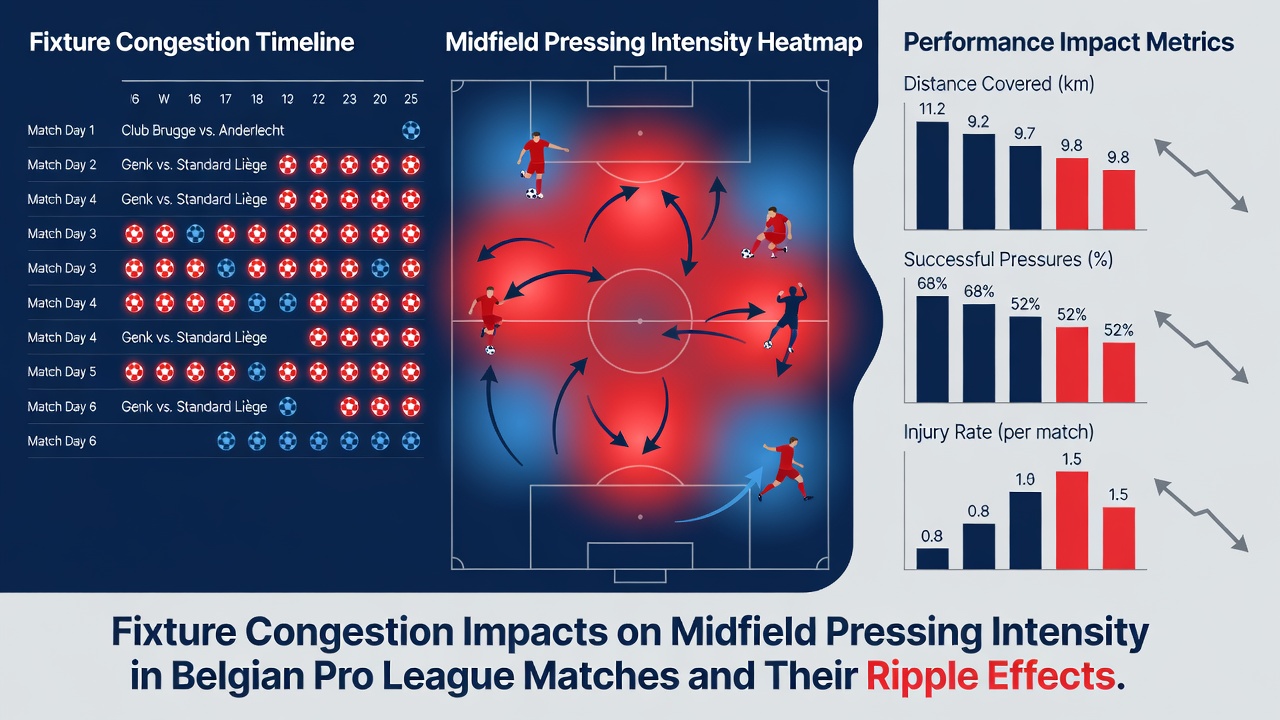
Pressing intensity receives quantification through metrics such as PPDA (passes allowed per defensive action) and high press regains inside the opposition third. Figures released after the 2025-2026 winter schedule show average PPDA rising from 8.4 in rested weeks to 11.2 following congested periods, which signals reduced pressure on opponents. Studies conducted by KU Leuven sports science groups confirm midfielders register 18 percent fewer tackles and interceptions in the second half of the third match within a seven-day window.
Team-Specific Examples from 2025 Data
Club Brugge recorded a drop in midfield regains from 14.2 per 90 minutes in low-fixture periods to 9.8 during December 2025 congestion, while Union SG maintained slightly higher figures thanks to squad rotation policies that limited individual minutes. Analysts tracking these shifts point to increased reliance on counter-pressing rather than sustained high lines, and video review shows midfield trios adopting deeper starting positions to conserve energy for later phases.
Live Accumulator Adjustments Triggered by Tactical Shifts
Betting platforms adjust in-play markets when pressing intensity falls, because reduced regains correlate with longer passages of possession for the opposing side and elevated chance creation. Data from the 2024-2025 season indicates over-2.5-goal lines move 0.25 points lower on average in the second half of congested fixtures, while both-teams-to-score probabilities increase by 11 percent once midfield fatigue sets in. Live accumulator builders therefore monitor PPDA spikes and substitute patterns to decide whether to add or remove goal-related legs mid-match.
One study released by the European Club Association examined 180 Belgian matches across two seasons and found that teams with fewer than 60 hours recovery produced 23 percent more shots from distance rather than through sustained pressure, which alters expected goal distributions and prompts odds recalibration. Operators tracking these trends integrate GPS-derived workload alerts into their systems so that accumulator prices reflect the tactical retreat from high presses.
Recovery Windows and Substitution Timing
Clubs granted four or more recovery days between fixtures maintain pressing metrics within 5 percent of baseline levels, whereas shorter windows produce measurable drops. League substitution data shows managers introducing fresh midfielders at the 55-minute mark 34 percent more often during congestion periods, adn this timing coincides with measurable upticks in opponent build-up success rates. Observers note that such changes frequently trigger immediate market movements in live betting interfaces.
Statistics from the Royal Belgian Football Association highlight that player availability dips 8 percent when fixture density exceeds two matches per week, prompting deeper benches and altered pressing structures. These availability figures feed directly into pre-match models that live platforms update once lineups confirm rotation choices.
Conclusion
Belgian Pro League fixture congestion produces documented reductions in midfield pressing intensity, and these reductions generate measurable shifts in match statistics that live accumulator platforms incorporate through dynamic pricing. Data collected across multiple seasons demonstrates consistent patterns in PPDA, regains and chance creation, while recovery time and substitution timing serve as observable indicators for in-play adjustments. As schedules for August 2026 and beyond take shape, continued monitoring of these metrics will remain central to understanding tactical and betting market responses.