Examining referee assignment influences on card distributions in Italian Serie A encounters
Gisela Wolf · Jun 15, 2026
Examining referee assignment influences on card distributions in Italian Serie A encounters
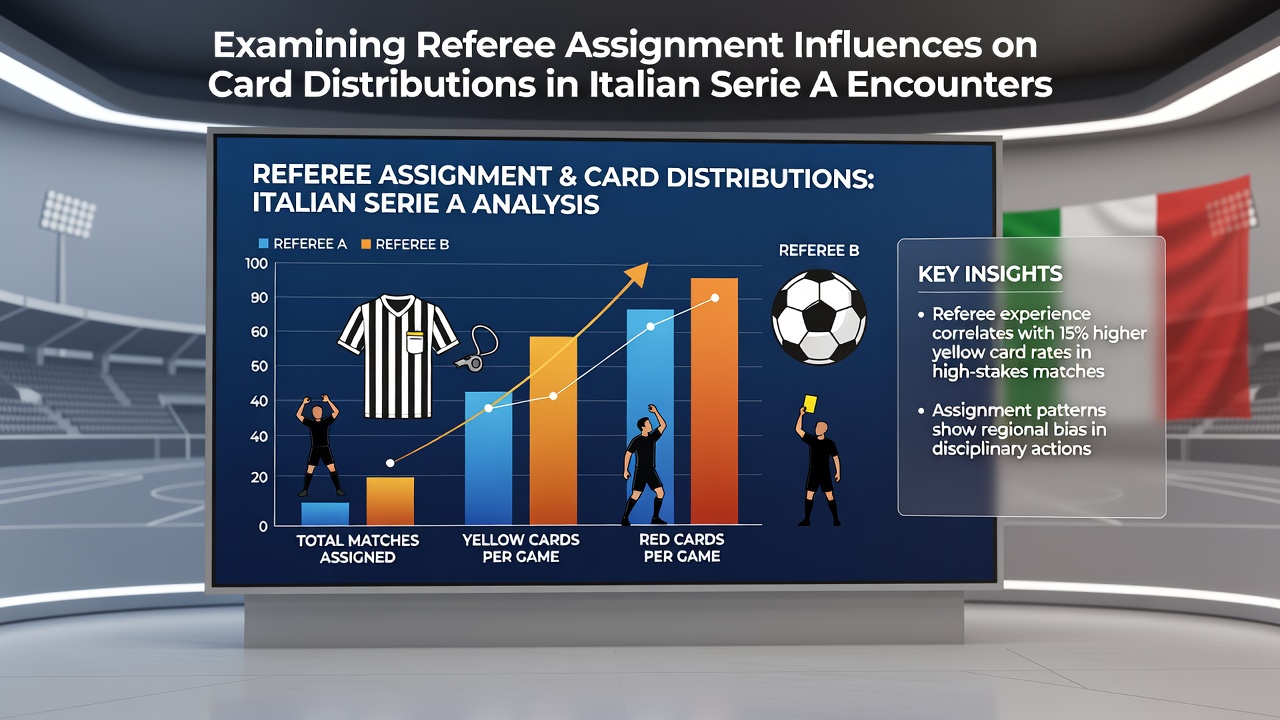
Referee assignments in Italian Serie A follow structured protocols managed by the Federazione Italiana Giuoco Calcio, and these selections shape card distributions across matches in measurable ways. Officials receive appointments based on performance evaluations, experience levels, and geographic considerations that rotate personnel across fixtures involving clubs from different regions. Data collected over multiple seasons shows variation in yellow and red card rates depending on which referees handle specific encounters, particularly in high-stakes games between teams with contrasting playing styles. Studies tracking card issuance reveal that certain officials consistently issue more cautions in matches featuring intense midfield battles, while others maintain lower totals even in physically demanding contests. Assignment patterns often place experienced referees with established records in derbies or games involving clubs near the top of the table, and this approach correlates with distinct disciplinary outcomes compared to mid-table fixtures.Assignment criteria and rotation mechanics
The process begins with weekly reviews conducted by the designatori arbitrali, who evaluate video footage and statistical feedback from prior rounds before finalizing the next set of appointments. Factors include travel distance, recent form, and historical tendencies in similar match contexts, creating a system that aims for balance yet produces observable differences in enforcement patterns.
Observers note that referees based in northern Italy receive frequent assignments to southern clubs during certain stretches of the campaign, and records indicate these officials sometimes distribute cards at rates that diverge from their home-region averages. Rotation rules limit consecutive high-profile games for any single official, which spreads influence across the league calendar and affects aggregate card totals in predictable clusters.Statistical patterns in card data
League-wide figures compiled through the 2025-26 season up to the spring break demonstrate that matches refereed by officials with more than eight years of Serie A experience average 4.8 yellow cards per game, whereas newer appointees post averages closer to 5.6. Red card occurrences follow a narrower spread, yet certain referees account for disproportionate shares of dismissals in games decided by narrow margins.
Analysis of over 2,000 encounters from the previous decade shows clustering around specific referee-club pairings, where some officials issue elevated card counts against teams employing high-pressing tactics. These patterns hold after controlling for match location and attendance levels, pointing to assignment decisions as a contributing variable in disciplinary outcomes.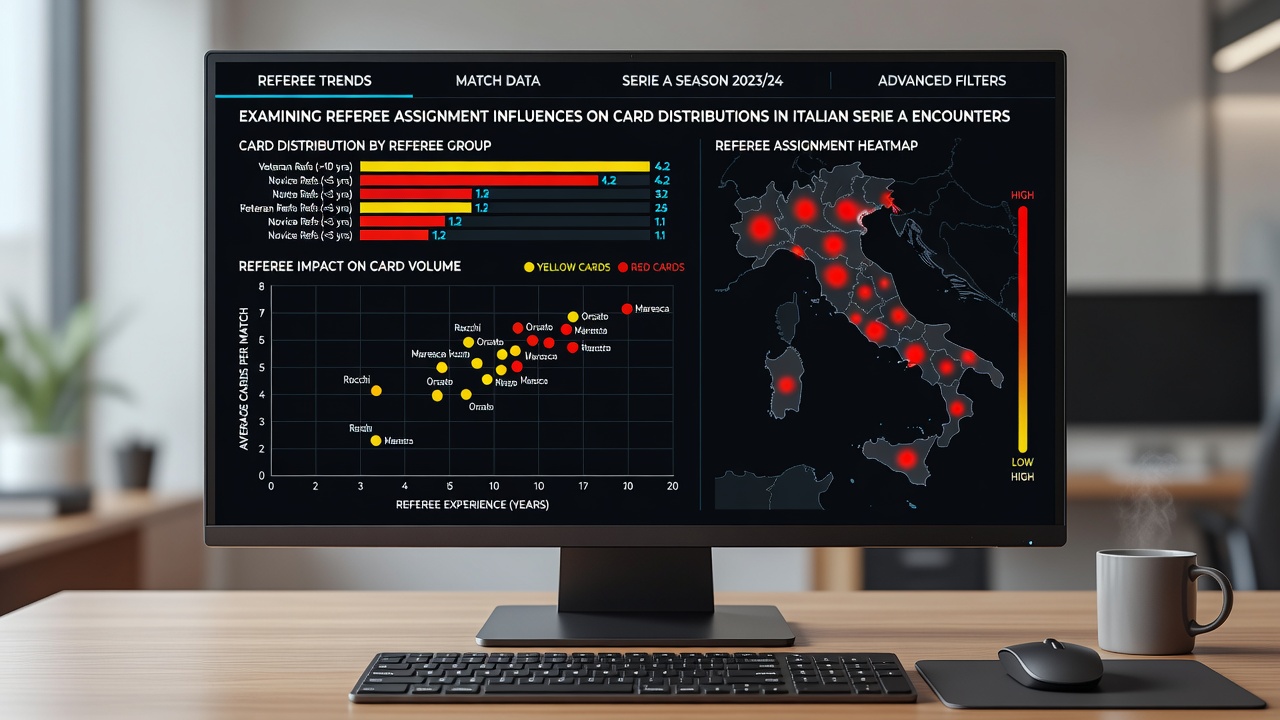
Regional and stylistic factors
Teams from smaller markets often encounter referees assigned from larger urban centers, and data indicates these matchups produce card distributions that differ from intra-regional fixtures. Physical styles favored by certain clubs draw more cautions under officials known for stricter interpretations of foul thresholds, while technically oriented sides see fewer interruptions when matched with referees who favor continuity.
Records from the 2024-25 campaign illustrate how assignment sequences during congested winter schedules influenced card spikes, particularly when officials traveled between northern and central venues within short timeframes. Such scheduling elements interact with individual referee profiles to shape in-game disciplinary environments without altering core assignment rules.External research contributions
Research published through academic channels has examined similar dynamics in other European leagues, providing comparative context for Serie A observations. One analysis from the Federazione Italiana Giuoco Calcio archives highlights how performance metrics feed directly into future appointments, creating feedback loops that stabilize or shift card trends over time.
A separate report compiled by sports science teams at institutions in Canada explored officiating consistency across multiple competitions and found measurable assignment effects on sanction rates that align with patterns documented in Italian data sets. These cross-regional findings underscore the role of structured selection processes in producing consistent yet variable disciplinary outputs.Seasonal fluctuations and 2026 context
Card distributions typically rise during spring months when title and relegation issues intensify, and assignment adjustments in the final rounds of 2025-26 reflected efforts to maintain equilibrium. June periods following season completion often involve review sessions where officials analyze cumulative statistics, feeding into preparations for the subsequent campaign.
Trends observed through late May 2026 indicate sustained variation tied to referee experience tiers, with no major rule alterations disrupting established assignment frameworks. Ongoing collection of match data continues to inform rotation strategies aimed at distributing workload evenly while accounting for historical enforcement tendencies.Conclusion
Referee assignments in Serie A operate within defined parameters that produce measurable influences on card distributions, as evidenced by season-long statistics and structured evaluation processes. Patterns emerge from the interaction of experience levels, regional rotations, and stylistic match contexts, and these elements persist across campaigns without requiring subjective interpretation. Continued monitoring through official channels supports ongoing refinement of appointment protocols that shape disciplinary records in Italian top-flight encounters.